Guide to property in Spain
Buying property in Spain and settling in: taxes, paperwork, neighbourhoods and timelines, for people arriving from abroad.
In-depth guides
Buying
 Buying processProperty in Barcelona: the questions I am actually asked, answeredOne page, 53 questions. What it costs to buy, what the taxes are, what a square metre goes for, what changed in rental law in 2026, and what you need before you sign — each answered in a few sentences, with the longer version one click away.
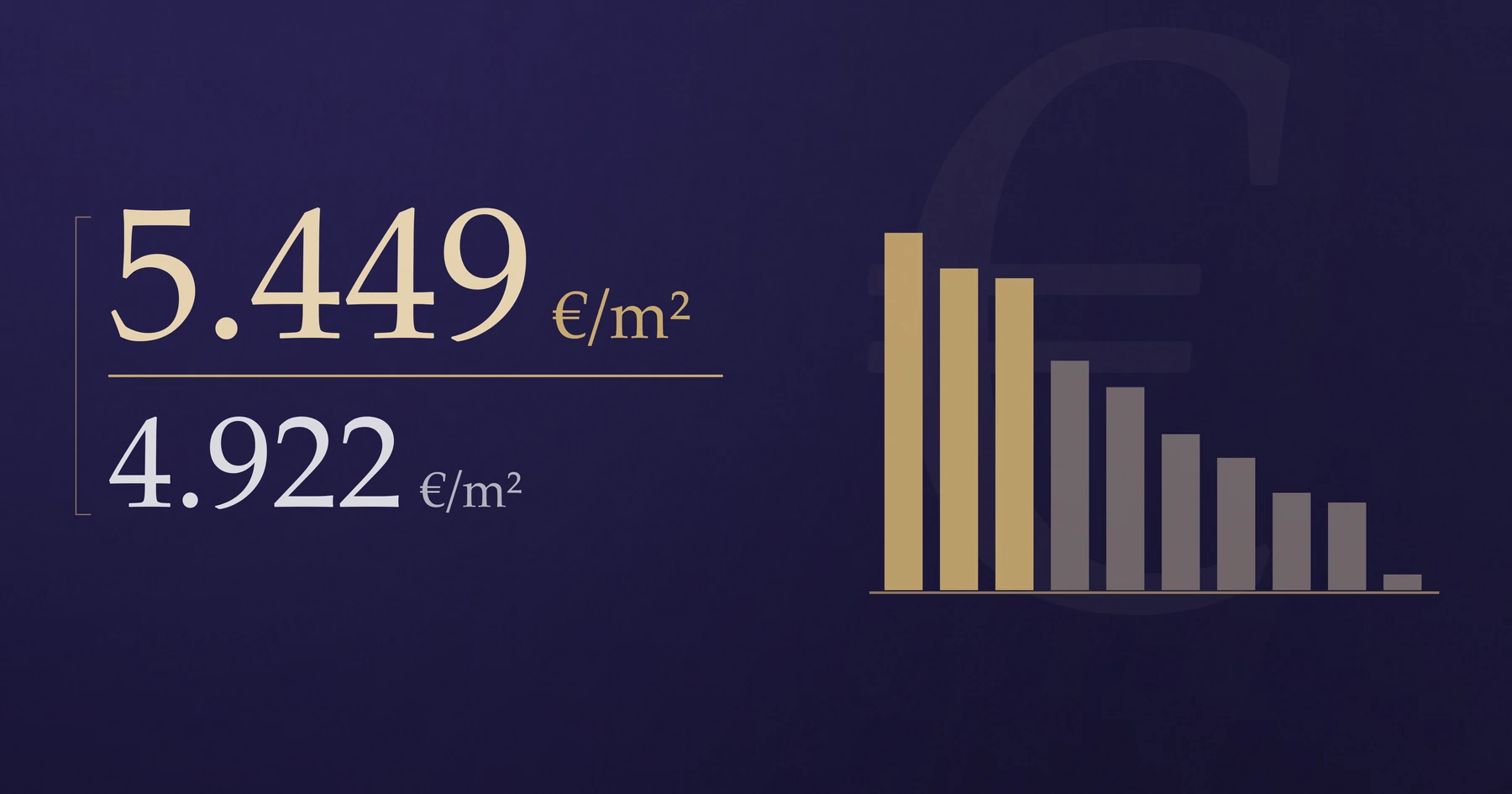 Buying processWhat property costs in Barcelona in 2026: asking prices, closing prices, and the gap between themBarcelona's asking price is €5,449/m²; the price registered at the notary is €4,922/m². Both numbers, district by district — plus what €500,000, €1M and €4M actually buy.
 Buying processHow to check an estate agent in Barcelona: the register, the mandate and the fee agreementA reference for buyers: what the AICAT register requires and how to verify an entry, how agency mandates and fees are structured in Spain, what a written agreement should contain, and when engaging a buyer's agent is not necessary.
 Buying processBuying property in Spain from abroad: a step-by-step guide for 2026A clear 2026 guide to buying property in Spain as a foreign buyer — from your NIE and financing to the notary, taxes and how your own agent protects you.
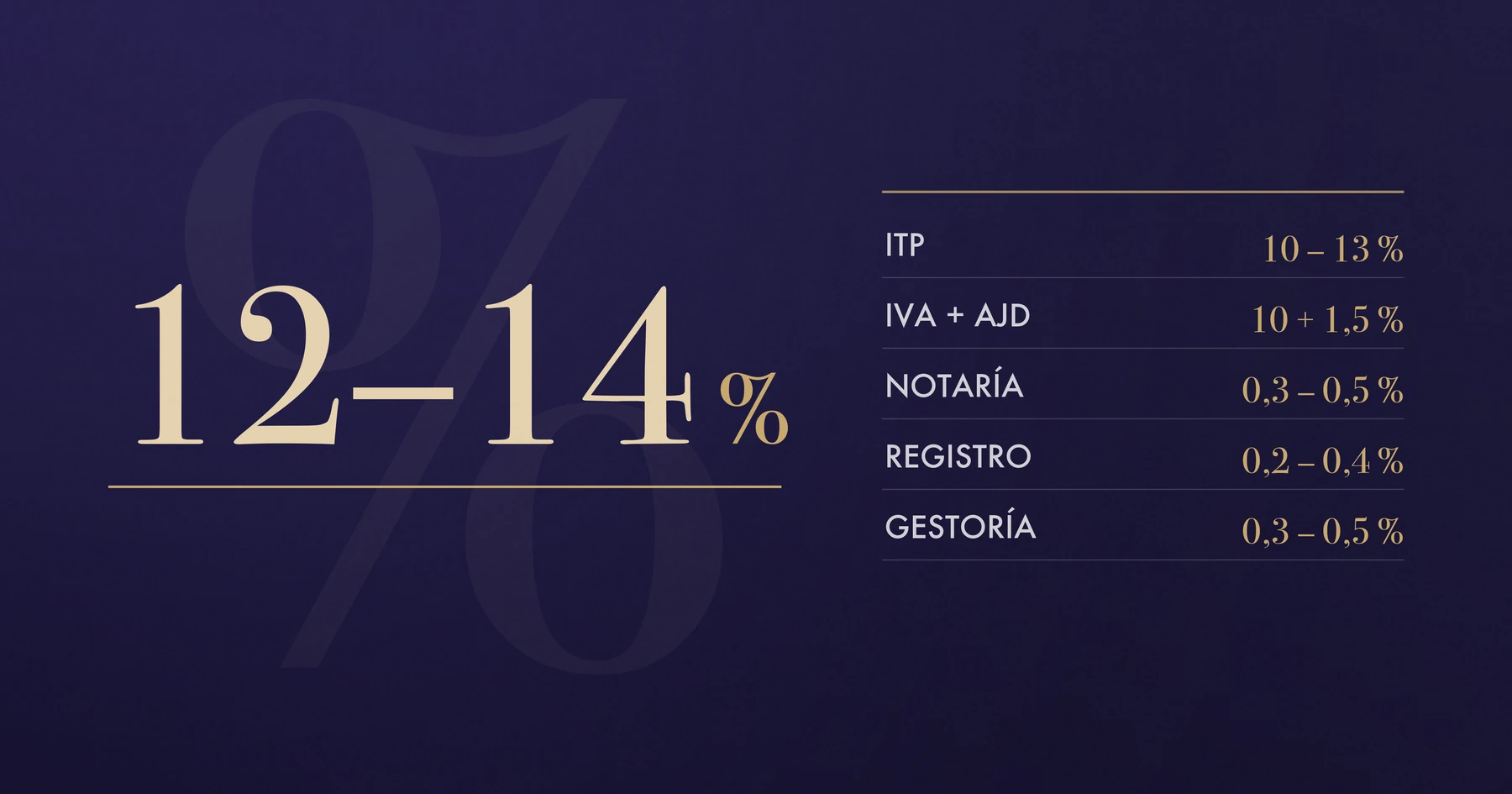 Costs and taxesThe real cost of buying property in Spain: a 2026 guide to taxes and fees for foreign buyersWhat it really costs to buy property in Spain in 2026: transfer tax, VAT, notary and legal fees for foreign buyers — including Catalonia's progressive rates.
 NeighbourhoodsWhere to live in Barcelona with children: the international schools, and the neighbourhoods families choose around themTen international schools in and around Barcelona — curriculum, ages, address and the fees each one publishes — and the neighbourhoods families choose to be near them.
 NeighbourhoodsBuying in Diagonal Mar: why the newest quarter in Barcelona is also the dearest€8,781/m², the highest figure in the city — ahead of Pedralbes and the whole Zona Alta. A quarter built this century, on the sea, with concierges, pools and parking. Who it is for, and who it is not for.
 NeighbourhoodsBuying in La Dreta de l'Eixample: what a trophy address costs, and why it rose leastThe Quadrat d'Or, Passeig de Gràcia and the best of the modernista stock. €7,822/m², third in the city — and up only 3.2% over the year, the slowest of the prime quarters. That divergence is the most useful thing on this page.
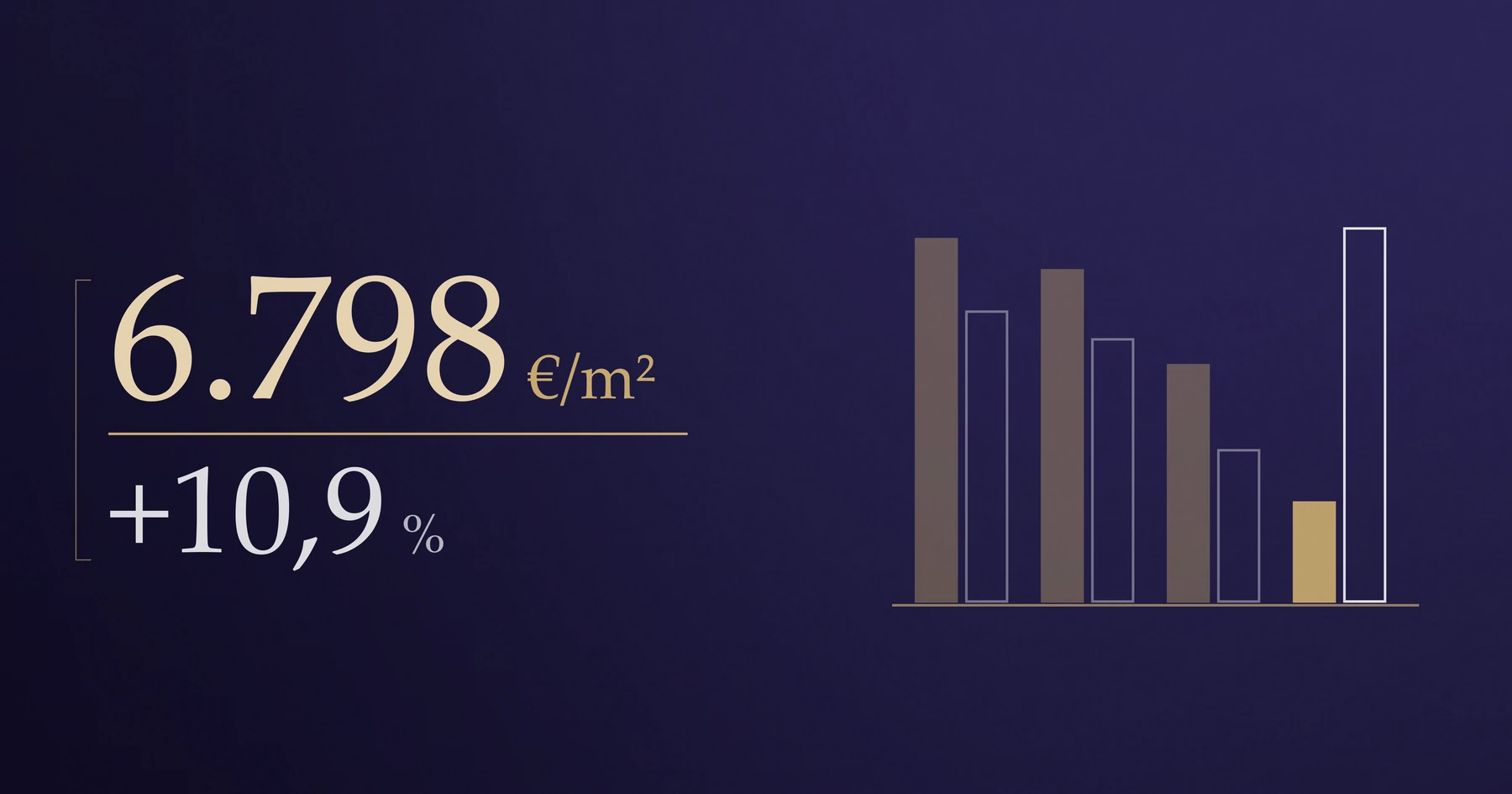 NeighbourhoodsBuying in La Bonanova: the Zona Alta's most affordable prime quarter, and one of its fastest-risingLa Bonanova is the least expensive of the prime Zona Alta quarters at €6,798/m² and, with Pedralbes, the fastest-rising at +10.9% a year. Those two facts are the same fact, and this is what a buyer should do about it.
 NeighbourhoodsBuying in Pedralbes: what Barcelona's most exclusive address costs, and what you get for itPedralbes asks €8,413/m² — 54% above the city average. What that buys, where the quarter begins and ends, why houses here trade far above the index, and the four things to check before you commit.
 NeighbourhoodsBuying in Sarrià: what the village inside Barcelona costs, and why people pay itSarrià was a town of its own until 1921 and still behaves like one. It asks €7,811/m² — more than the Les Corts district that Pedralbes belongs to, and more than any other quarter of Sarrià – Sant Gervasi — and the reason is the one thing the Zona Alta usually lacks: you can live here on foot.
 NeighbourhoodsLes Tres Torres and Sant Gervasi–Galvany: what it costs to buy in the quarters families chooseTwo quarters of the Zona Alta, side by side: €7,692/m² in Galvany, €7,327/m² in Les Tres Torres. Which one suits which buyer, what the apartments are actually like, and why the FGC decides more here than the price does.
 NeighbourhoodsThe best neighbourhoods in Barcelona to buy property: a 2026 buyer's guideA buyer's guide to Barcelona's prime neighbourhoods: Pedralbes, Sarrià, Sant Gervasi, Eixample and the waterfront, with 2026 prices and who each area suits.
Selling
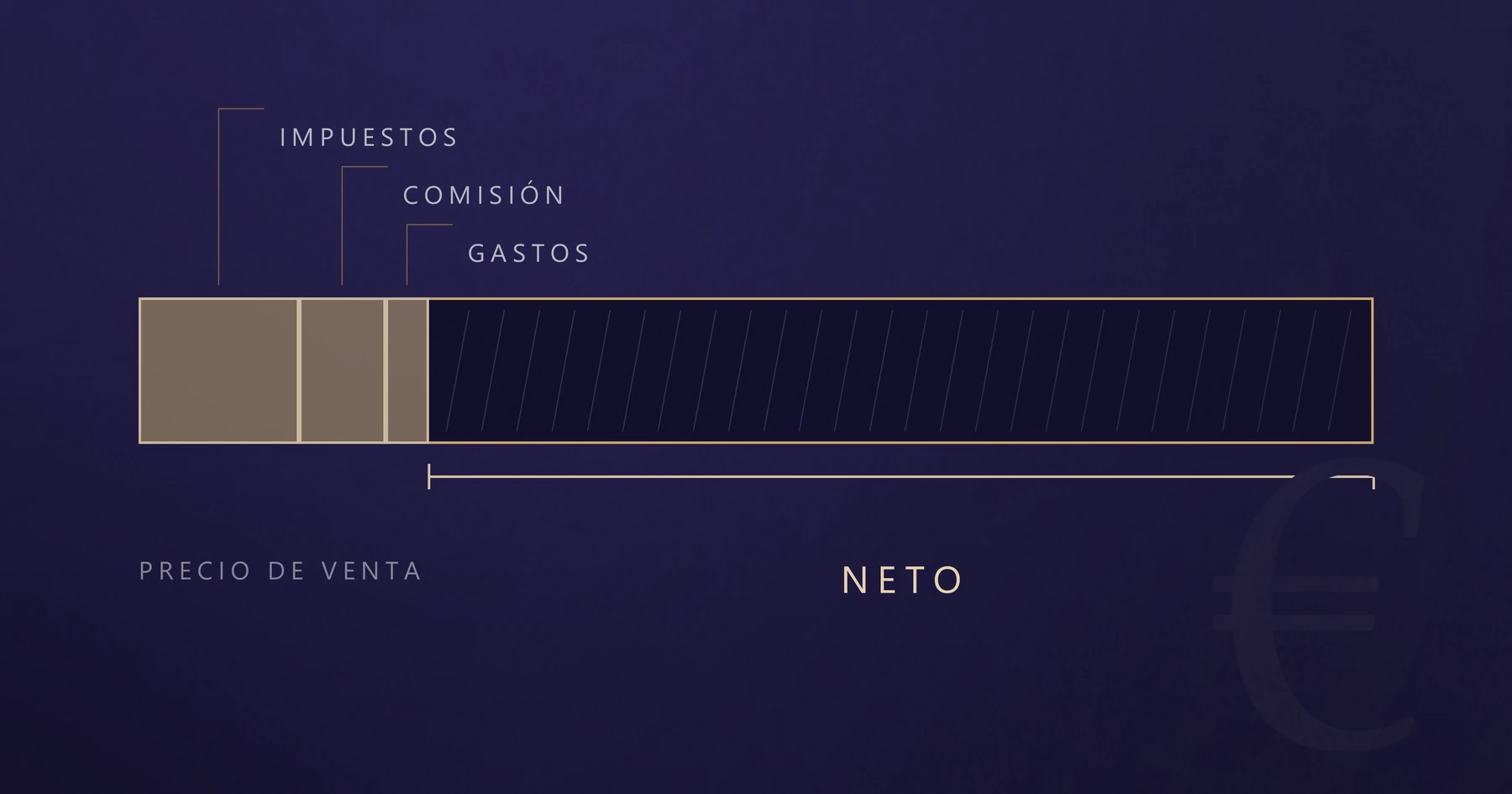 SellingWhat it costs to sell property in Spain: everything that comes off the priceThe price in the advertisement and the sum in your account are two different numbers. The seller's costs in full, with the deadlines, and how they differ from the buyer's.
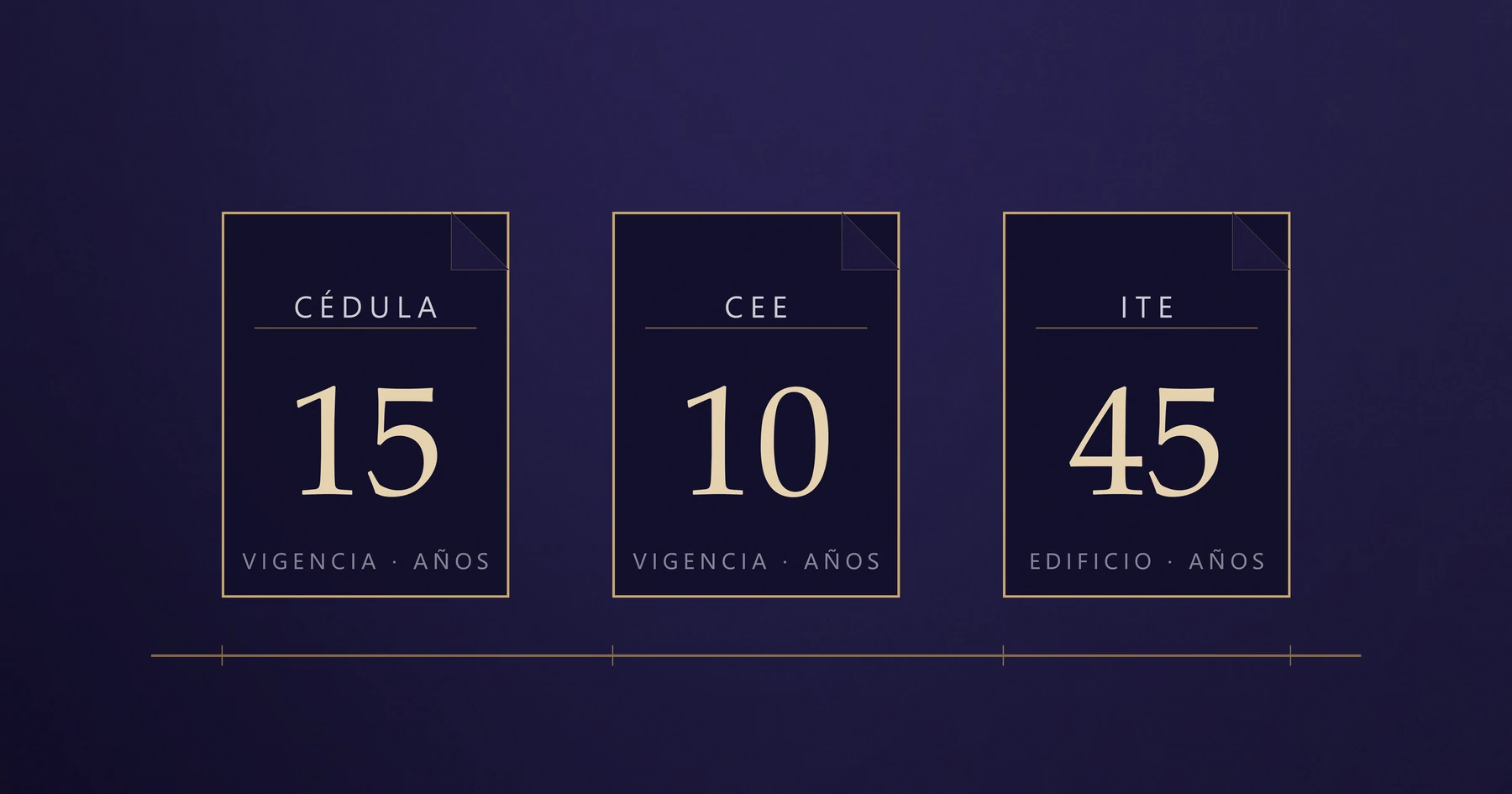 SellingDocuments to sell property in Catalonia: what to order firstSome of it takes a day, some of it takes weeks. The full list with honest timings, what each one costs, and what happens if it is missing on the day.
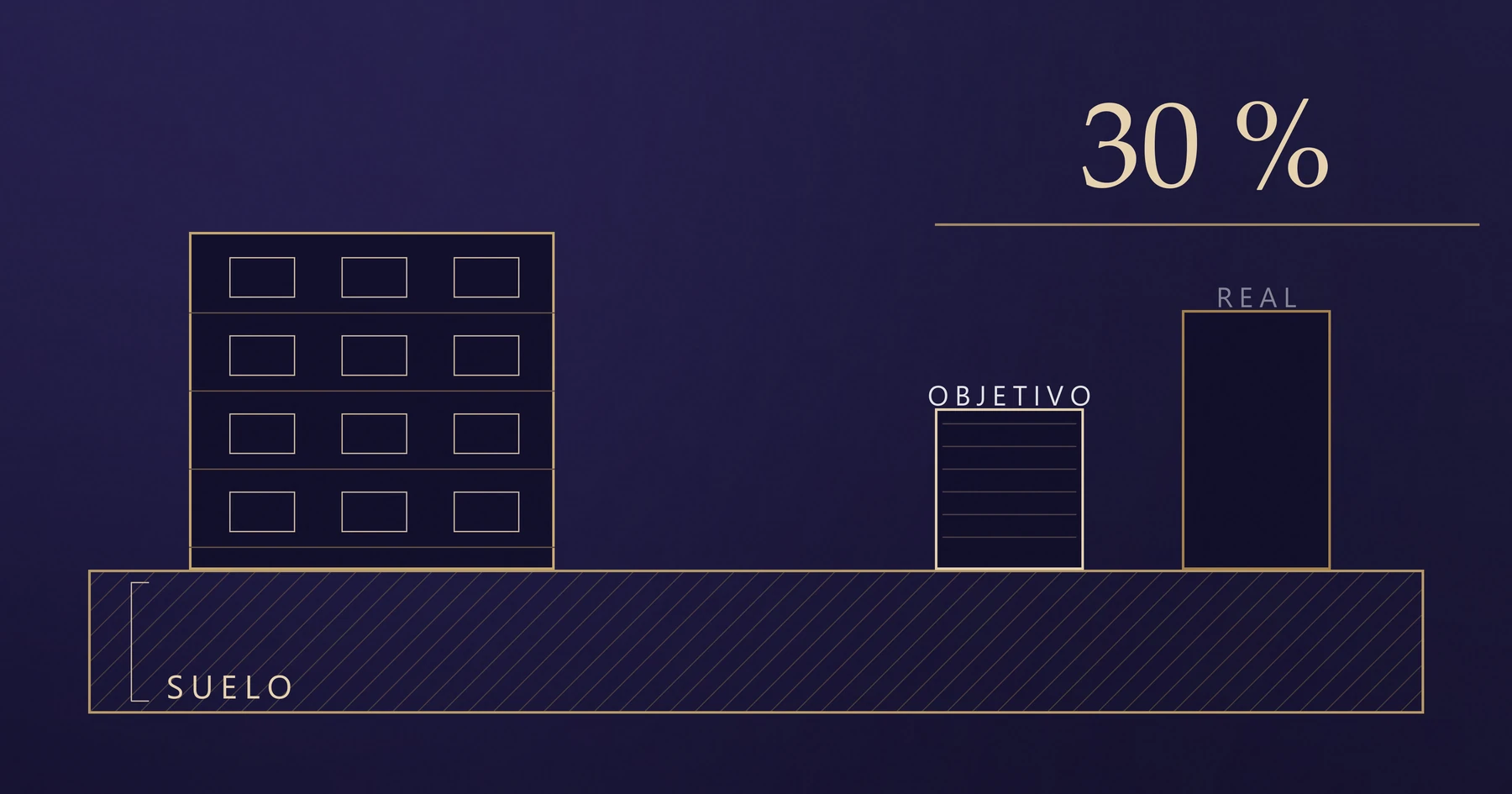 SellingPlusvalía municipal in Barcelona: two ways to calculate it, and how to pay lessThe municipal tax is calculated two ways, and the law lets you choose the cheaper one. Where the figures come from, how many days you have to file, and when no tax is due at all.
 SellingSelling property in Spain without flying over: the power of attorney, the NIE, the account and the timingsSelling without coming over is ordinary practice, but it rests on one document. Where to arrange it, what it has to say, and how long each step really takes.
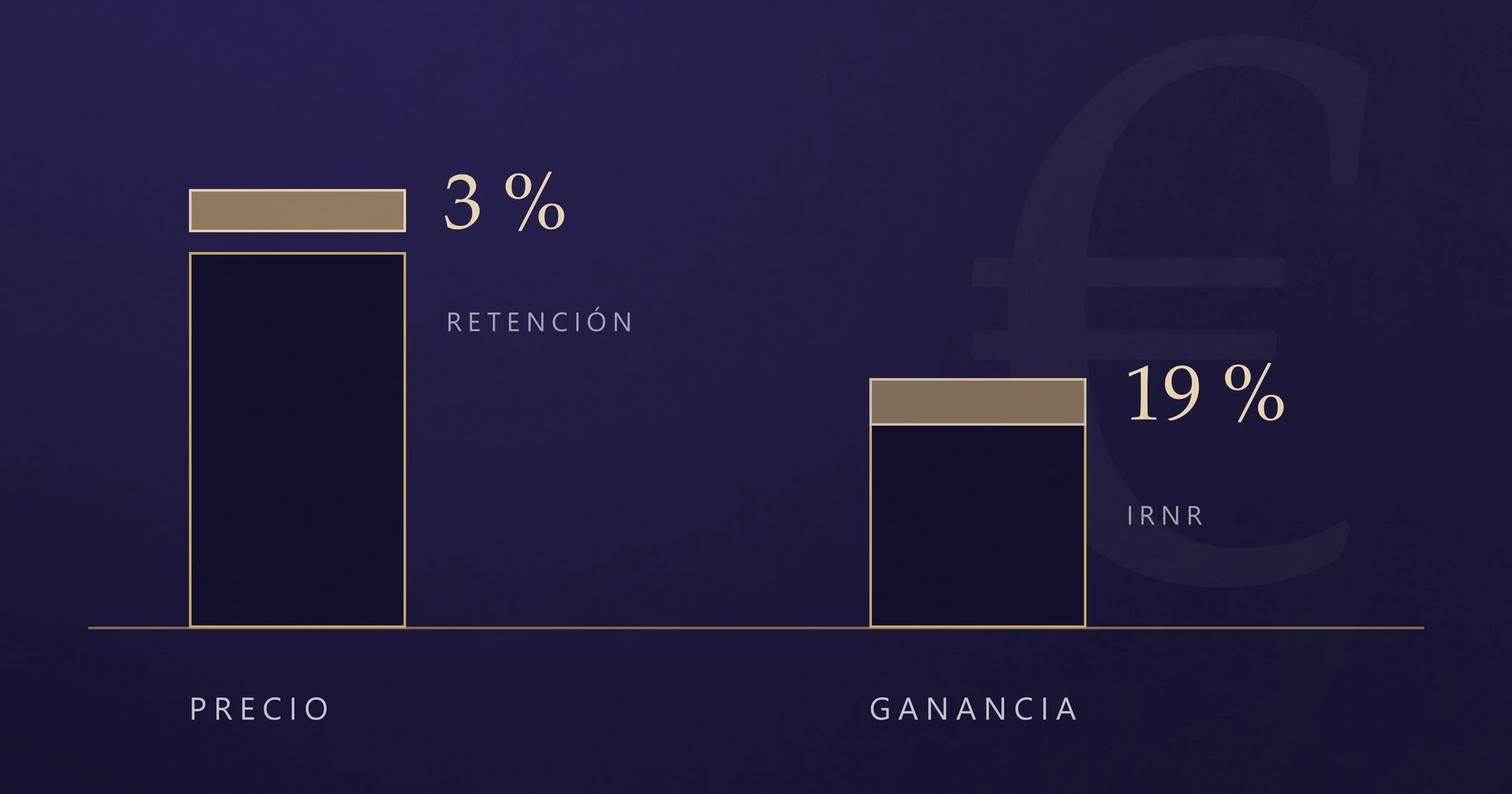 SellingSelling property in Spain as a non-resident: 3%, 19%, and the deadlines you cannot missWhat the buyer withholds, what the tax on the gain actually costs, what you are allowed to deduct, and how to get money back when the 3% turns out to exceed the tax.
Renting
 RentingDocuments you need to rent a flat in Barcelona as a foreigner (2026)A Barcelona landlord chooses a tenant on the strength of a file, and a strong file beats a fast reply more often than not. What to gather before you move, how to rent without an NIE, and what you will need in cash on the day you sign.
 RentingRenting in Barcelona under the new 2026 rules: seasonal contracts, the rent cap, and what changedSince 1 January 2026 a seasonal contract in Catalonia rests on a reason rather than on a length, and the rent cap now reaches it just as it reaches an ordinary letting. What that means if you are moving to Barcelona.
Life and moving
 Lifestyle and relocationThe NIE number in 2026: how foreigners apply, in Barcelona and from abroadYou cannot buy a flat, open a bank account or have the electricity switched on in Spain without an NIE. Here is where you apply for one, what it costs, and what to do when the police have no appointments left.
 Lifestyle and relocationResidency in Spain after the Golden Visa: what is left for a property buyer in 2026Buying a flat no longer earns you a residence permit. But a buyer with an income, a remote job or an EU passport still has clear routes open — here is each one, and exactly what you have to prove in 2026.
 Lifestyle and relocationLiving in the Maresme: the appeal of Barcelona's prime coastThe coast north of Barcelona: sea and space, 25–50 minutes from the city by train. What separates the Maresme from the Supermaresme, and what a house costs there.
Short answers
ITP is the transfer tax paid by the buyer of a resale home. Each region sets its own rate. Catalonia has applied a progressive scale since 27 June 2025: 10% up to €600,000, 11% on the portion from €600,001 to €900,000, 12% from €900,001 to €1,500,000 and 13% above €1,500,000. The rate is derived from the value of the whole property, so co-buyers do not each get the lowest band. It is payable within one month of completion. There is a full breakdown in my guide to the real cost of buying in Spain. Correct as of August 2026.
On top of ITP or VAT, budget for notary fees (typically €600–€1,200), Land Registry fees (€400–€1,000), legal fees (around 1% for a prime purchase), a gestoría, and a valuation if you are financing. All in, a foreign buyer should plan for roughly 11–14% on top of the price on a resale, and around 13% on a new build. On a resale the share rises with the price, because the transfer tax is progressive: above €1.5M, plan for the upper end. Correct as of August 2026.
There is no single rate. It depends on the service — selling a property, searching on behalf of a buyer, finding a rental — and on the specific task, so it is agreed individually and set out in the contract before work begins. 21% IVA is added on top of any agency fee.
As a rule, the seller, under their own agreement with the agency. If you hire your own agent to search the whole market and negotiate on your behalf, that service is paid for under a separate written agreement, made before the search begins.
On a purchase an agent helps with the search, the price assessment, checking and preparing the documents, negotiating the terms and coordinating the notary and the bank, and sees the purchase through to completion. I will set out the services for your own brief in writing.
I work most often in Barcelona and Catalonia: that is where I know the streets, the buildings and what things actually sell for. I work across the rest of Spain too, and I tell you at the outset when I am assessing an area together with a local colleague. Outside Spain I do not claim that expertise: CENTURY 21 has offices in almost 80 countries, so if you need someone in Lisbon, Dubai or Miami, I introduce you to a colleague there and stay copied in until you are in good hands.
Yes, non-residents do get mortgages from Spanish banks. I go through your situation in advance: I set out the financing options open to you, which documents you will need and how to evidence your income and the source of your funds, I help you assemble them, and I arrange the conversation with the bank. The application itself is filed by the gestoría I work with — I stay copied in and keep an eye on the dates, so approval does not hold up the purchase. The bank sets the terms, so I will not promise you a rate in advance.
Six to ten weeks from an accepted offer to signing, if you are paying cash. The last stretch, from the private contract to the notary, is two to four weeks of that: roughly a week for the checks and the money, a week for the notary to prepare the documents, and about three days to sign. With a mortgage, add a few weeks: the bank’s own review is about ten working days, two weeks at most. Once I know your situation I give you dates rather than a range.
I stay in touch after the purchase. I see the property registration through, and help with the move, settling in and finding contractors worth trusting. Property management and rental coordination I can take on as well — that is not part of every purchase, so we agree it separately. Tax goes to the gestoría I work with, legal questions to a partner lawyer, and if you want the investment side looked at properly I put you in touch with a partner who does that. I stay copied in throughout, so you are not left to work things out alone. The relationship does not end at the notary.
For general information only; not a binding offer.
Download the Barcelona guide
Relocation, real prices and a district-by-district comparison, sent to your inbox in a minute.